Why Form Fill Seal Packaging is the Future of Efficient Production in the Food Industry
 The food industry is undergoing a significant transformation, with efficiency and sustainability becoming paramount in production processes. One of the key innovations driving this change is Form Fill Seal Packaging (FFS), which combines the processes of forming, filling, and sealing packaging materials in one continuous operation. According to a report by Research and Markets, the global FFS packaging market is projected to grow from $29.2 billion in 2020 to $43 billion by 2025, reflecting a compound annual growth rate (CAGR) of 8.5%. This growth is largely attributed to the increasing demand for ready-to-eat meals and on-the-go food products, as well as the rising focus on minimizing waste and enhancing product shelf life. By adopting Form Fill Seal Packaging, food manufacturers can streamline their operations, reduce costs, and improve product quality, positioning themselves for success in an evolving marketplace. As the industry continues to embrace automation and efficiency, FFS packaging stands out as a future-proof solution that meets the demands of both consumers and producers alike.
Understanding Form Fill Seal Technology and Its Benefits
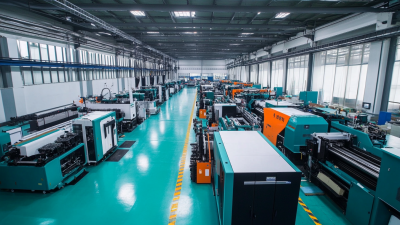
Form Fill Seal (FFS) technology has revolutionized the food packaging industry by offering a streamlined approach to product packaging. This method integrates three fundamental processes—forming, filling, and sealing—into one continuous operation. By reducing the time and labor involved in traditional packaging methods, FFS technology enhances overall production efficiency, allowing manufacturers to meet growing consumer demand without compromising quality.
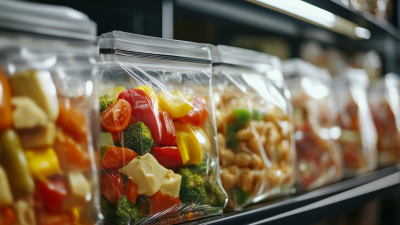
One of the standout benefits of form fill seal technology is its ability to maintain product freshness. The sealed environment created during the packaging process helps in extending the shelf life of perishable goods, which is particularly crucial in the fast-paced food industry. Furthermore, the precision of FFS machines minimizes product waste and overfill, ensuring optimal use of resources. As a result, food producers can enjoy significant cost savings while meeting stringent regulatory standards for food safety and hygiene. This combination of efficiency, cost-effectiveness, and quality preservation positions form fill seal packaging as a pivotal innovation for the future of food production.
Efficiency of Form Fill Seal Packaging in the Food Industry
Key Advantages of Form Fill Seal Packaging in Food Production
Form Fill Seal (FFS) packaging is increasingly recognized as a cornerstone for efficiency in food production, attributed to its streamlined process and reduced operational costs. According to a report by MarketsandMarkets, the global FFS packaging market is expected to grow from $26.2 billion in 2021 to $40.5 billion by 2026, at a CAGR of 9.1%. This growth reflects the industry's shift towards more efficient packaging solutions that not only save time but also ensure product integrity.
One of the key advantages of FFS packaging is its ability to minimize wastage and enhance productivity. By integrating the forming, filling, and sealing processes into one continuous operation, manufacturers can significantly reduce labor costs and time, leading to a faster turnaround. Furthermore, a study published in Packaging Technology and Science emphasizes that FFS packaging can improve shelf life and reduce spoilage, with vacuum sealing techniques shown to extend the freshness of products by up to 50%. This is particularly vital in the food industry, where minimizing food waste is a growing concern.
Moreover, FFS technology allows for greater flexibility in packaging design, accommodating various product forms, which is crucial in meeting consumer demand for diverse and convenient food options. Research indicates that brands that employ FFS systems are able to adapt their packaging quickly to incorporate new trends, thus staying competitive in an ever-evolving market landscape. This adaptability positions FFS as a leading choice for food producers aiming to enhance their operational efficiency while catering to consumer preferences.
Steps to Implement Form Fill Seal Packaging in Your Facility
Implementing Form Fill Seal (FFS) packaging in your facility can significantly enhance production efficiency. The first step is to conduct a thorough assessment of your current packaging processes to identify areas where FFS can add value. Consider the types of products you package, the volume of production, and the existing machinery. This evaluation will help you determine if an upgrade to FFS technology aligns with your operational goals.
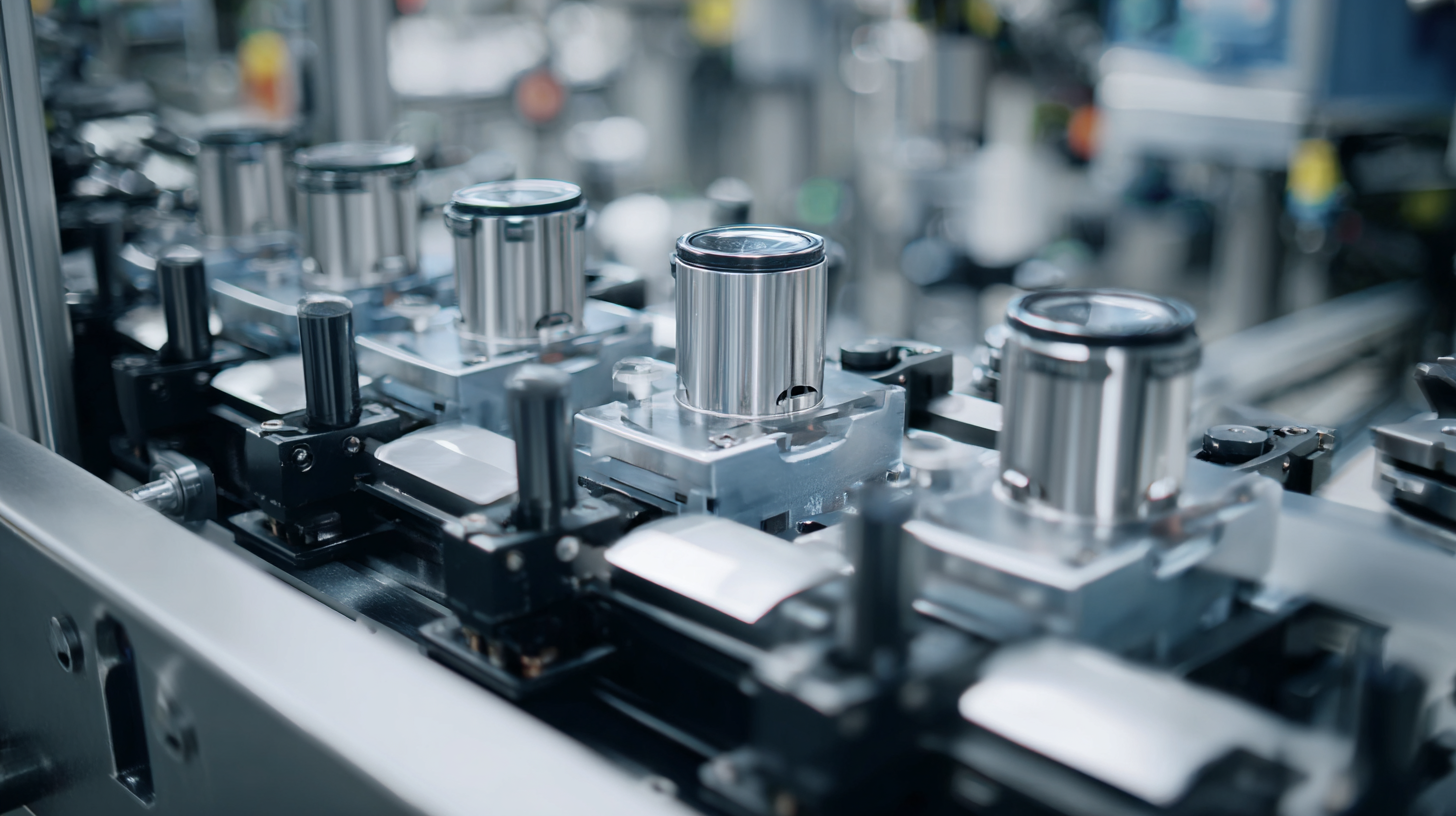
Next, invest in the right machinery that suits your production needs. Look for FFS systems that are adaptable to various product types and packaging formats. When selecting equipment, it’s essential to consider factors such as speed, reliability, and maintenance requirements.
Tips: Train your staff on the new system to facilitate a smooth transition. Investing in comprehensive training ensures that your team is confident and proficient in using the new technology, which can minimize downtime and errors. Additionally, regularly monitor the performance of your FFS machinery to ensure it meets production standards and addresses any issues promptly.
Finally, ensure that quality control measures are integrated into the FFS packaging process. Regularly test packaging integrity and product safety to maintain compliance with industry standards and consumer expectations. Taking these steps helps create a streamlined and efficient production environment that leverages the benefits of Form Fill Seal packaging.
Overcoming Challenges in Transitioning to Form Fill Seal Systems
Transitioning to form fill seal (FFS) systems presents several challenges for food manufacturers, particularly those accustomed to traditional packaging methods. One major hurdle is the initial investment in new machinery. While the long-term savings and efficiency gains are substantial, the upfront costs can be daunting for smaller producers. Additionally, integrating FFS technology requires a reevaluation of existing workflows, which can cause temporary disruptions in production. Proper training for staff is also crucial to ensure effective operation of the sophisticated FFS equipment.
Another significant challenge is maintaining product quality during the transition. FFS systems must consistently seal various materials securely, and any fluctuations can compromise food safety and shelf life. Manufacturers need to invest in rigorous testing and quality control measures to adapt their formulations and packaging processes to align with FFS capabilities. Moreover, keeping up with evolving regulations and standards adds another layer of complexity, necessitating ongoing education and compliance efforts. However, with strategic planning and investment in the right technology, food manufacturers can overcome these challenges and enjoy the benefits of FFS systems, such as enhanced productivity and reduced material waste.

Future Trends in Food Packaging: Innovations and Sustainability
The food packaging industry is experiencing a transformative shift towards sustainability and innovation, driven by consumer demand and environmental considerations. The adoption of form fill seal packaging is pivotal in this evolution, as it allows manufacturers to enhance production efficiency while minimizing waste. This method not only reduces material usage but also aligns with the growing trend of using environmentally friendly packaging solutions, crucial for the future of food production.
Additionally, the market for disposable pulp-based food vessels is set to expand significantly, with projections estimating its worth to reach $11 billion by 2024 and $17.5 billion by 2032, reflecting a compound annual growth rate of 5.97%. The growth of disposable cups and lids also demonstrates the increasing preference for convenient and single-use packaging options, which are essential in addressing the fast-paced demands of today's consumers. As the global market continues to evolve, innovations in packaging materials and designs will further enhance sustainability efforts, ensuring that the food industry remains resilient and responsible in the face of emerging challenges.
Why Form Fill Seal Packaging is the Future of Efficient Production in the Food Industry
| Innovation |
Description |
Benefits |
Sustainability Impact |
| Automated Form Fill Seal Technology |
Streamlines packaging process with minimal human intervention. |
Increases efficiency, reduces labor costs, and minimizes errors. |
Uses less energy compared to traditional packaging methods. |
| Use of Biodegradable Materials |
Incorporates materials that break down naturally in the environment. |
Reduces packaging waste and enhances brand image. |
Significantly lowers carbon footprint during disposal. |
| Smart Packaging Solutions |
Integrates technology to monitor freshness and quality of food. |
Improves safety and reduces food waste. |
Promotes sustainable consumption by extending shelf life. |
| Customized Packaging Solutions |
Tailors size and shape of packaging to specific product needs. |
Reduces material usage and minimizes waste. |
Encourages recycling due to lower material diversity. |