Top Food Packaging Equipment Buyers Guide for 2026?
In the fast-evolving landscape of food production, selecting the right Food Packaging Equipment can significantly impact efficiency and safety. As companies gear up for 2026, understanding the nuances of equipment options is crucial. With sustainability and innovation at the forefront, buyers must navigate a complex market filled with diverse choices.
Understanding the specific needs of your food product is essential. The right packaging not only preserves freshness but also enhances brand appeal. Different foods require distinct packaging solutions that vary by materials, shapes, and technologies. This complexity often leads to confusion for buyers.
Many companies face challenges when assessing new technologies. Some may overestimate their current equipment capabilities. Others may hesitate to invest in advanced solutions due to costs. It's vital to balance immediate needs and long-term goals. Reflecting on past decisions can guide future investments, ensuring that the chosen Food Packaging Equipment aligns with business growth and industry trends.
Understanding the Importance of Food Packaging Equipment in 2026
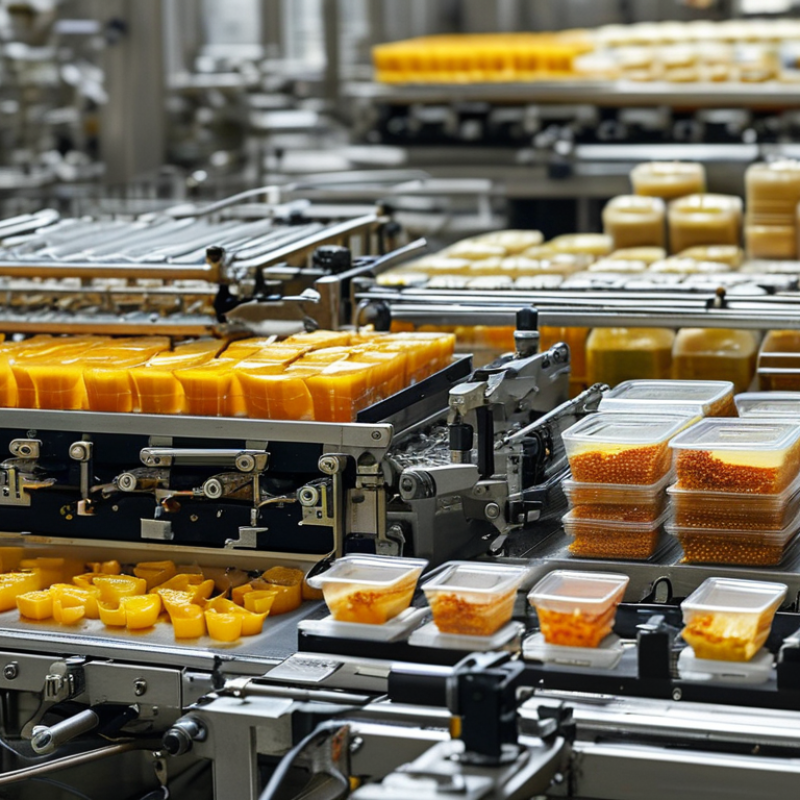
In 2026, food packaging equipment plays a vital role in the industry. With demands for safety and sustainability rising, selecting the right equipment is crucial. Efficient packaging prevents contamination, extends shelf life, and enhances product appeal. As consumer awareness grows, brands need to ensure their products stand out on shelves.
Tips: Evaluate your production needs closely. Different food types require specific equipment features. For example, consider pack size and speed when choosing machinery. It’s essential to assess the materials as well. Eco-friendly options can attract more consumers.
Moreover, automation is becoming a key trend. Manufacturers that embrace technology can boost productivity while reducing labor costs. However, transitioning to automated systems should be done carefully. Training staff on new equipment is critical for success. Neglecting this step may lead to inefficiencies.
The need for flexibility cannot be overstated. As trends change, your packaging equipment should adapt. Regularly review market demands. Rethink your strategies accordingly. Emphasizing quality and innovation will help brands grow and thrive.
Top Food Packaging Equipment Buyers Guide for 2026
| Equipment Type |
Features |
Capacity (units/hour) |
Price Range ($) |
Market Growth (%) |
| Automated Fillers |
High accuracy, low waste |
1500 |
10,000 - 50,000 |
7.5 |
| Labeling Machines |
Precision labeling, adjustable |
2500 |
5,000 - 30,000 |
5.0 |
| Sealing Machines |
Thermal sealing, adjustable speed |
1200 |
8,000 - 40,000 |
6.3 |
| Carton Erectors |
Automated forming, compact design |
800 |
15,000 - 60,000 |
8.2 |
| Palletizers |
High speed, flexible configurations |
1000 |
20,000 - 100,000 |
9.1 |
Key Features to Look for in Food Packaging Equipment
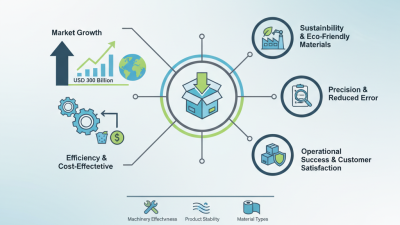
When considering food packaging equipment, several key features stand out. Efficiency tops the list. Reports indicate that automated packaging solutions can increase output by up to 30%. This can greatly reduce labor costs and minimize human error, leading to more consistent product quality.
Flexibility is critical as well. Consumers demand variety and shorter product life cycles. Equipment that can handle multiple packaging formats helps companies adapt quickly. Another important feature is sustainability. A recent survey showed that over 70% of consumers prefer eco-friendly packaging. This drives manufacturers to invest in biodegradable materials and energy-efficient processes.
Moreover, ease of maintenance should not be overlooked. Industry experts suggest that equipment with user-friendly interfaces and fewer components can significantly reduce downtime. Complex machinery can lead to disruptions, impacting production schedules. Prioritizing straightforward designs may yield better long-term results, despite some initial costs. Attention to these features can enhance product safety and compliance, crucial in today’s regulatory environment.
Top Manufacturers and Brands for Food Packaging Equipment in 2026
In 2026, the food packaging equipment industry will see significant advancements. Key trends will emerge in efficiency and sustainability. Manufacturers are increasingly focusing on innovative solutions that reduce waste and enhance food safety. These solutions often feature smart technologies that monitor freshness and safety during transit.
When examining leading manufacturers, it's crucial to assess their commitment to quality and innovation. Many companies prioritize eco-friendly materials and energy-efficient processes. They invest in research and development to ensure their offerings are cutting-edge. However, not all brands maintain consistent quality. Some may struggle to adapt to the rapid pace of technological change.
Additionally, selecting the right equipment requires understanding your specific needs. The market offers various types, from automatic filling machines to labeling systems. Each serves a unique purpose and requires different levels of investment. It’s important to evaluate the longevity and reliability of the equipment before making a purchase. Not every option will provide the expected return on investment. Therefore, in-depth research and hands-on testing are crucial before any decision is made.
Food Packaging Equipment Market Analysis for 2026
Cost Considerations and Budgeting for Food Packaging Equipment
When budgeting for food packaging equipment, businesses face numerous challenges. According to a report by PMMI, the Association for Packaging and Processing Technologies, about 30% of companies struggle with integrating automation due to high upfront costs. This investment is critical; automation can enhance efficiency by 20-50%, depending on the process. However, businesses must weigh these benefits against the initial financial outlay.
Cost considerations extend beyond purchasing equipment. Operating costs, maintenance, and potential downtime also factor into budgeting decisions. Research indicates that unexpected maintenance can account for up to 25% of total equipment costs. This emphasizes the importance of detailed financial planning. Not every investment will yield immediate returns, but regular updates and maintenance can drastically reduce long-term expenses.
It’s also vital to consider the impact of market trends. Reports suggest that sustainable packaging is becoming increasingly crucial for consumers. While eco-friendly options may have higher initial costs, they often lead to greater brand loyalty. Companies may need to rethink their traditional budgeting to accommodate these shifts, focusing on long-term sustainability rather than short-term savings. This shift can provoke uncertainties in budgeting practices and demand strategic adaptations.
Emerging Trends in Food Packaging Technology for 2026
As we approach 2026, food packaging technology continues to evolve rapidly. One of the most notable trends is the shift toward sustainable materials.
Biodegradable and compostable packaging options are becoming mainstream. Companies are exploring innovative materials that reduce environmental impact. This trend reflects growing consumer demand for eco-friendly solutions.
Another emerging trend is smart packaging. Incorporating sensors into packaging can provide real-time information on freshness. This technology not only reduces food waste but also enhances safety.
Consumers can track the condition of their food easily. However, integrating smart features into packaging poses challenges, including cost and complexity. Brands must weigh benefits against potential drawbacks.
Additionally, automation in food packaging processes is on the rise. Automated systems improve efficiency and accuracy. They minimize human error and reduce labor costs. Yet, there are concerns about job displacement in the industry.
Striking a balance between technology and workforce needs will be crucial moving forward. As these trends unfold, the food packaging sector will need to adapt continually.