What is Food-Grade Packaging and Why is it Important?
Food-Grade Packaging is crucial in preserving food quality and safety. The global food packaging market was valued at around $330 billion in 2021 and is projected to grow by 4% annually. This increase highlights the importance of maintaining standards in packaging materials.
Food-Grade Packaging ensures that products do not contain harmful substances. It protects food from contamination and extends shelf life. According to industry standards, packaging must meet specific safety criteria. Failures in these standards can lead to foodborne illnesses. Each year, millions are affected globally due to inadequate packaging or storage methods.
While food-grade materials offer benefits, they also pose challenges. Some manufacturers may cut costs, using substandard materials. This compromises food safety. Transparency and sustainability are vital in packaging choices. Consumers are becoming more aware, demanding better options. The future of Food-Grade Packaging requires innovation and responsibility.
What is Food-Grade Packaging?
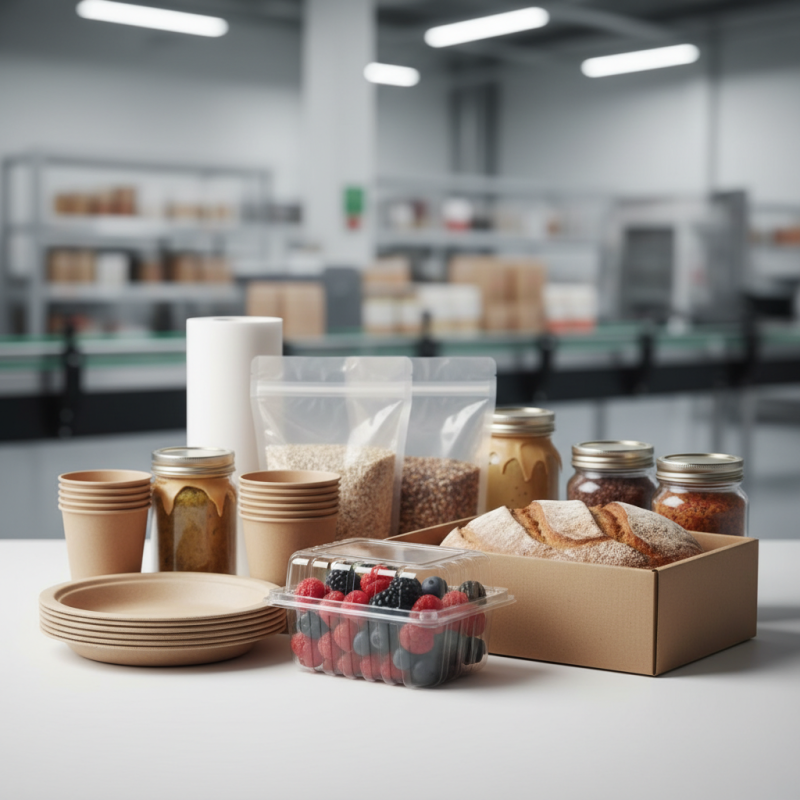
Food-grade packaging refers to materials that safely contain food products. This type of packaging meets stringent food safety standards. It ensures that the food remains uncontaminated from harmful substances. Common materials include plastics, glass, and certain metals. Each has its unique properties that protect food during transport and storage.
Choosing the right food-grade packaging is crucial. It affects the food's shelf life and freshness. Poor choices can lead to spoilage or contamination. Many consumers might overlook this aspect. However, the impact is significant. For instance, not all plastics are suitable for direct food contact. They can leach chemicals over time.
Some packaging materials are more sustainable than others. This raises questions about environmental impact. Are we making the right choices? As food safety becomes more important, awareness is key. Understanding food-grade packaging can guide consumers in selecting safer options. It can also promote better practices in a world increasingly focused on health and safety.
Food-Grade Packaging Material Usage
Key Materials Used in Food-Grade Packaging
Food-grade packaging is essential for preserving food quality and safety. It is designed to protect food items from contamination and spoilage. Key materials used in food-grade packaging include plastics, metals, and glass. Each material has its advantages and limitations.
Plastic is widely used due to its lightweight and flexible nature. About 60% of all food packaging is made from plastics, as reported by the Flexible Packaging Association. However, concerns about environmental impact persist. Alternatives like biodegradable materials are emerging, but they are still not widely adopted.
Metals, like aluminum, are often used for canned goods. They provide a strong barrier against light and oxygen. Despite their durability, they are heavier and can affect transportation costs.
Tip: Consider using recyclable packaging options whenever possible. This practice can support sustainability efforts.
Glass packaging is known for its inert nature. It does not leach chemicals into food. However, it is heavier and more fragile. This creates challenges in logistics.
Tip: Look for indicators of food-grade compliance. This can assure quality in packaging materials used.
Understanding these materials helps in making informed choices. The food packaging industry is evolving, but there are still gaps to address.
Standards and Regulations for Food-Grade Packaging
Food-grade packaging refers to materials safe for direct contact with food. It meets various standards and regulations to protect food quality. In the U.S., the Food and Drug Administration (FDA) oversees these guidelines. Packaging should not transfer harmful substances to food. According to a 2021 report by the Food Packaging Forum, 30% of food packaging fails to meet these safety standards. This highlights the need for stringent quality control.
Tips: Always check for certifications on packaging. Look for labels indicating FDA approval or equivalent.
Many countries have established regulations. The European Union has its own set of rules concerning food-contact materials. These regulations ensure that packaging doesn’t leach harmful chemicals into food. However, a study revealed that 25% of food-packaging materials evaluated were found to contain substances of concern. This emphasizes the precision required in manufacturing.
Tips: Consider using packaging that is recyclable or compostable. It's a better choice for the environment and food safety alike.
Inadequate packaging can lead to food spoilage and contamination. It's crucial to stay informed about the materials being used. Discussions about improving packaging standards are ongoing. The industry must focus on innovative solutions that prioritize safety and environmental impact.
Benefits of Food-Grade Packaging for Food Safety
Food-grade packaging is a critical component in ensuring food safety. It refers to materials that are deemed safe for direct contact with food products. These materials must meet strict health standards to prevent contamination. When packaging materials are not suitable, they can leach harmful substances into food, leading to health risks. Poor choices in packaging can jeopardize the entire supply chain, and that’s a serious concern.
One of the key benefits of food-grade packaging is that it extends shelf life. By providing a barrier against moisture and air, it helps maintain food quality. This not only reduces waste but also saves money for both consumers and producers. Additionally, proper packaging can reduce the risk of foodborne illnesses, a problem that continues to plague many societies. However, choosing the right type of food-grade packaging isn't always straightforward. Many businesses still overlook the specific needs of different food items. They might use generic packaging, which could be detrimental in the long run.
Moreover, food-grade packaging can enhance presentation, making products more appealing. Attractive packaging can influence consumer choices. But, focusing too much on aesthetics may lead to neglecting the practical aspects of food safety. Overall, while food-grade packaging is essential, striking a balance between safety, cost, and appeal remains a constant challenge.
Impact of Food-Grade Packaging on Sustainability and Waste Reduction
Food-grade packaging plays a crucial role in maintaining the quality and safety of food products. However, it also has a significant impact on sustainability. Traditional plastics often end up in landfills, contributing to pollution and waste. In contrast, eco-friendly food-grade packaging options, like biodegradable materials, help reduce this footprint.
Consider the amount of single-use plastic we encounter daily. Many food items come in wrappers that are not recyclable. These products contribute to a cycle of waste that harms our environment. Switching to sustainable packaging can change this paradigm. Innovative materials can mimic the benefits of plastic while being kinder to the planet. The challenge lies in ensuring these alternatives remain affordable and effective.
It’s essential to recognize that transitioning to sustainable food-grade packaging isn't a one-size-fits-all solution. Some biodegradable materials still require specific conditions to degrade properly. This can lead to confusion among consumers and litter issues if not properly managed. We need to be mindful of both the materials we choose and how they are disposed of after use. The journey toward sustainability in food packaging is ongoing. There is still much to learn and improve.
What is Food-Grade Packaging and Why is it Important? - Impact of Food-Grade Packaging on Sustainability and Waste Reduction
| Packaging Type | Material | Biodegradability | Recyclability | Secondary Use |
| Flexible Pouches | Plastic (PET, PE) | Partially Biodegradable | Yes | Reusable for Storage |
| Glass Jars | Glass | Not Biodegradable | Yes | Can be Repurposed |
| Cardboard Boxes | Recycled Paper | Biodegradable | Yes | Creative Crafts |
| Aluminum Cans | Aluminum | Not Biodegradable | Yes | DIY Projects |
| Compostable Bags | PLA (Plant-Based Plastic) | Fully Biodegradable | Yes (in commercial facilities) | Soil Enrichment |