What is Flexible Packaging Solutions for Global Buyers?
Flexible Packaging Solutions play a crucial role in the global market. According to Research and Markets, the flexible packaging industry is projected to reach $450 billion by 2027. This growth is driven by increased demand for sustainable packaging options. Consumer preferences are shifting toward eco-friendly materials. Flexible Packaging Solutions offer both versatility and efficiency in meeting these needs.
Industry expert Dr. Jane Smith emphasizes, "Flexible packaging not only reduces waste but also enhances product shelf life." Her insights underline the critical advantages of these packaging solutions. Brands are increasingly choosing flexible options to align with sustainability goals. However, some companies struggle with the transition. The challenge is finding the right balance between innovation and cost.
While the benefits are clear, the execution can be complex. Businesses may underestimate the time needed for effective implementation. Careful planning and investment are essential. This industry continues to evolve, presenting both opportunities and challenges. Flexible Packaging Solutions remain at the forefront of packaging innovations.
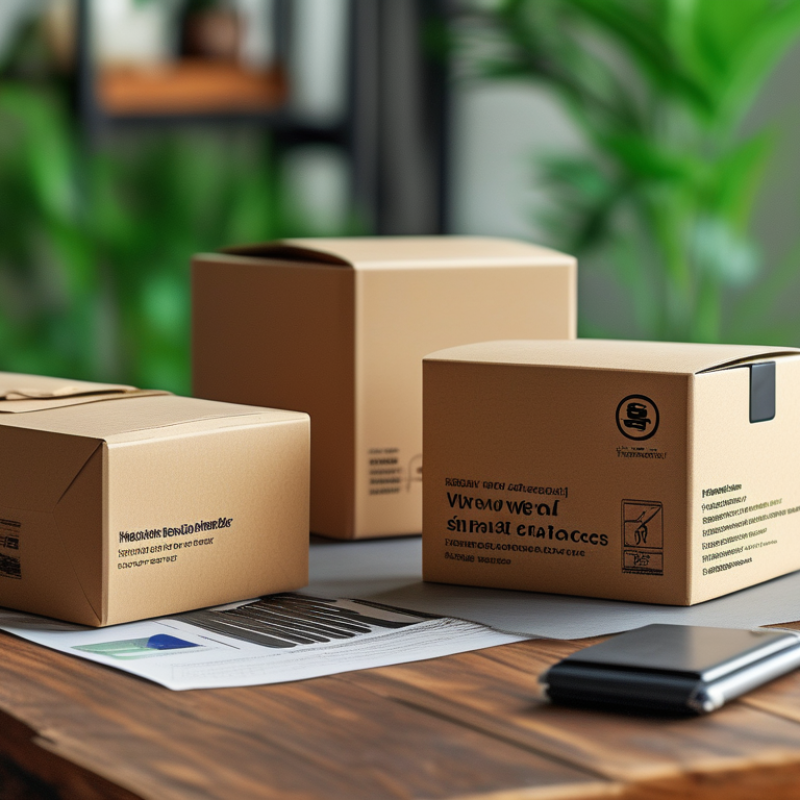
Understanding Flexible Packaging: An Overview for Global Buyers
Flexible packaging has become a crucial element for global buyers. It provides manufacturers with lightweight, versatile solutions to meet diverse market demands. According to the Flexible Packaging Association, this sector has experienced an annual growth rate of 4.4% from 2016 to 2021. This growth reflects its increasing popularity for food, pharmaceuticals, and consumer goods.
Understanding flexible packaging starts with its features. It offers barriers against moisture, light, and oxygen, which can extend product shelf life. This is essential for industries that rely on preserving the freshness of perishable goods. However, some challenges persist. Not all flexible materials are recyclable, raising sustainability concerns among consumers. A 2022 study by Smithers highlighted that 40% of buyers prioritize eco-friendliness in packaging choices, indicating a shift towards more sustainable options.
Additionally, flexible packaging can enhance brand visibility. Its ability to feature high-quality graphics helps products stand out on shelves. Yet, this requires manufacturers to balance aesthetics and functionality. The continuous evolution of consumer preferences complicates this process. As a result, staying informed about trends and innovations in flexible packaging is vital for global buyers aiming to navigate this dynamic landscape effectively.
Key Benefits of Flexible Packaging Solutions in Various Industries
Flexible packaging solutions offer numerous advantages across various industries. One key benefit is superior barrier protection. This type of packaging keeps products safe from moisture, light, and oxygen. As a result, the shelf life of food items can significantly increase. Also, it reduces waste due to spoilage. Brands often choose flexible options for perishable goods to ensure freshness until consumption.
Another advantage is the lightweight nature of flexible packaging. It reduces transportation costs due to lower shipping weights. Companies can optimize their logistics, resulting in a smaller carbon footprint. This eco-friendliness appeals to environmentally conscious consumers as well. Moreover, flexible packaging can be customized easily. This allows brands to stand out on shelves and convey their identities effectively.
Consider using resealable zippers for convenience. They help enhance user experience, especially for snacks. Also, think about using recyclable or compostable materials. This choice not only meets regulatory demands but also resonates with a growing base of eco-aware customers. Ensure your designs are visually impactful but functional. Balancing aesthetics with practicality can be challenging yet rewarding.
Types of Flexible Packaging Materials Used in Global Markets
Flexible packaging has gained popularity in modern markets due to its versatility and sustainability. Various materials are used in this approach, each catering to specific needs. Films such as polyethylene and polypropylene are common choices. They are lightweight and offer good barrier protection against moisture and oxygen. These attributes are essential for maintaining product quality.
Another popular option is paper-based packaging, which appeals to environmentally conscious consumers. It provides a natural feel and is often recyclable. Laminates combine different materials, enhancing the overall performance. This type meets diverse consumer demands, ensuring products stay fresh longer. However, choosing the right combination can be challenging for manufacturers.
Biodegradable materials are also emerging in the industry. They reduce environmental impact but may not offer the same performance as traditional options. Adopting these materials requires a balance between sustainability and functionality. Some businesses may struggle to find suitable suppliers. This inconsistency can lead to production delays and increased costs. Understanding these dynamics is crucial for global buyers seeking efficient and reliable flexible packaging solutions.
Sustainability Trends in Flexible Packaging: Global Perspectives
Sustainability has become a crucial focus for the flexible packaging industry. Brands and consumers increasingly seek eco-friendly solutions. According to recent trends, biodegradable materials and recyclable formats are gaining traction worldwide. However, the journey toward sustainability is complex and not without challenges.
Manufacturers face the task of balancing performance with environmental impact. Some materials may not perform as well as traditional plastics. This can lead to product failures and wasted resources. It's important to carefully evaluate each material's lifecycle. This reflection can help improve the sustainability of packaging solutions.
Then, consider collaborating with suppliers who prioritize sustainable practices. Look for companies committed to reducing waste and utilizing recyclable materials. Regular audits of the supply chain can reveal areas for improvement. Engaging with stakeholders on this issue can drive innovation. Sustainability is not just a trend; it reflects changing consumer preferences. Adapting to these shifts can position brands favorably in a competitive market.
Selecting the Right Flexible Packaging Partner: Considerations for Buyers
Selecting the right flexible packaging partner is crucial for global buyers. Many buyers often overlook key considerations during the selection process. Experience is one of the most important factors. A partner with a proven track record in flexible packaging can provide insights that newer companies might not possess. This experience can lead to better product quality and innovative solutions that meet specific market demands.
Buyers should also assess the partner's technical expertise. This includes understanding various materials and their performance characteristics. A knowledgeable partner can guide you through the complexities of packaging requirements. Additionally, reliability in meeting deadlines is vital. Delays in packaging can disrupt supply chains, leading to customer dissatisfaction.
It is essential to evaluate sustainability practices. Buyers increasingly seek partners who prioritize eco-friendly materials and processes. However, not all companies may fully adhere to sustainable practices, despite claiming to. Conducting thorough research and asking pointed questions can illuminate a partner's true commitment to sustainability. Reflecting on these factors can lead to better decision-making and successful partnerships in the flexible packaging industry.