


ProMach is your partner from start to finish. Our product brands are grouped into distinct business lines that make the most sense to our customers, covering every function of the production line: Filling, Bottling & Capping, Decorative Labeling, Flexibles & Trays, Pharma, Handling & Sterilizing, Labeling & Coding, Robotics & End of Line, and Systems & Integration.
learn moreChoosing the right Thermal Label in 2026 is no longer a simple matter of matching a roll to a printer. The label must survive its real environment, from warehouse shelves and refrigerated storage to outdoor delivery routes. Direct thermal labels suit short-term shipping and receipt applications. Thermal transfer labels usually offer stronger resistance to heat, moisture, abrasion, and fading. The wrong choice can create blurred barcodes, peeling edges, wasted stock, and costly reprints.
Mike Fairley, a respected labeling-industry expert, captures the practical principle clearly: “The label is only as good as the application demands.” That idea should guide every purchasing decision. Consider the printer model, ribbon compatibility, adhesive type, roll size, core diameter, and expected storage life. A freezer label needs a different adhesive from a carton label used in a dry warehouse. Small details matter.
Test before committing.
Print sample batches under realistic conditions. Rub them. Chill them. Expose them to moisture and sunlight. Then scan the barcodes after handling. This simple process reveals weaknesses that product sheets may overlook. I have seen labels perform well during printing but fail after condensation formed on cold packaging. That result is inconvenient, but useful. It proves that laboratory assumptions cannot replace field experience.
This guide explains how to compare Thermal Label materials, adhesives, coatings, and printing methods in 2026. It also examines sustainability, supply reliability, total cost, and equipment performance. Some choices will appear cheaper at first. They may not remain cheaper after downtime, waste, and replacement are included.
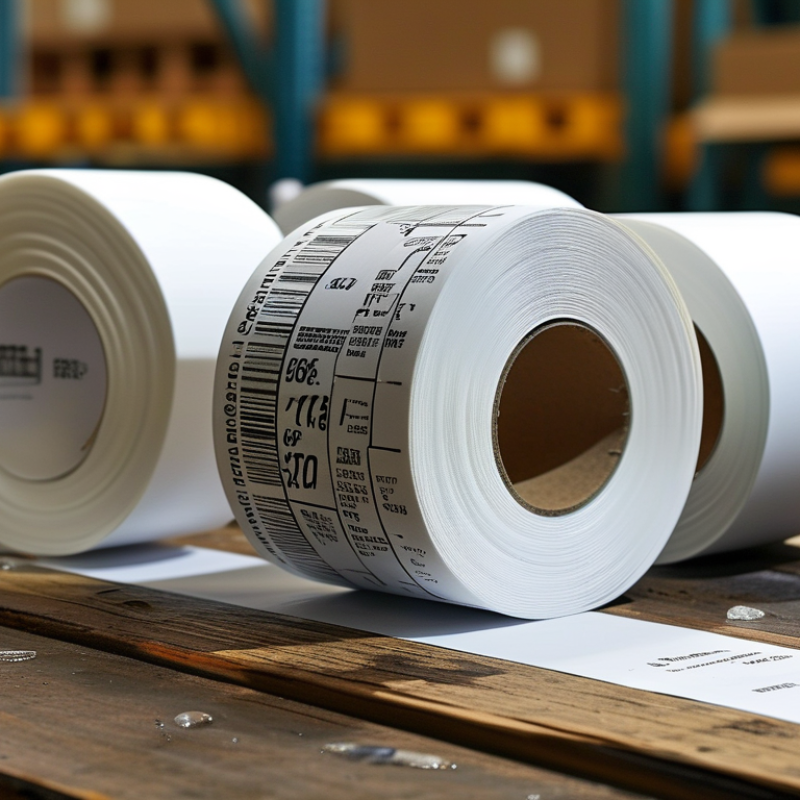
How to Choose the Right Thermal Label in 2026?
Thermal labels begin with the printing method. Direct thermal labels react to heat from the printhead, so they need no ribbon. They suit shipping, receipts, and short-term warehouse identification. However, sunlight, heat, and friction can darken or fade the image. Thermal transfer printing uses a ribbon to transfer ink onto the label surface. It usually offers stronger resistance against moisture, chemicals, and abrasion. The choice depends on the label’s real environment, not only its purchase price.
Material changes performance. Coated paper is economical and works well for indoor cartons, shelves, and daily dispatches. Synthetic films, including polyester and polypropylene, handle splashes, cold storage, and repeated handling more reliably. Adhesive selection also matters. A label placed on corrugated cardboard behaves differently from one applied to glass, plastic, or a chilled container. Test the surface first. Small details cause large failures.
Industry data supports careful planning. Smithers’ 2024 printed-label market analysis reports global label demand at more than 50 billion square metres annually, showing the scale of material decisions. Grand View Research identifies logistics, retail, and healthcare as major growth areas for thermal labels through 2030. These sectors demand readable barcodes and dependable adhesion. Still, forecasts are not guarantees. I have seen teams choose premium film when ordinary coated paper was enough. That mistake wastes money. The opposite mistake is worse: a cheap label that curls, fades, or leaves residue. Check temperature, exposure time, printer settings, and recycling requirements before approving a full production run.
Choosing the right thermal label starts with the product, not the printer. Identify the surface, shape, weight, and expected handling conditions. A small glass bottle needs a label with reliable adhesion and clean edges. A corrugated carton may need stronger tack and better resistance to scuffing. Curved, dusty, or textured surfaces can expose weaknesses quickly.
Consider the environment throughout the label’s entire life. Will it face sunlight, freezer temperatures, humidity, oils, or frequent rubbing? Direct thermal labels suit short-term indoor identification, but heat and light may darken the image over time. Thermal transfer labels usually offer stronger durability for storage, transport, and outdoor exposure. Test samples in real conditions. A label that works in a warm office may fail inside a cold warehouse.
Your labeling requirements also deserve careful definition. Check barcode clarity, print density, label size, adhesive strength, and removal needs. Leave enough quiet space around barcodes. Confirm that the material matches the printer and ribbon settings, if used. In practice, teams often focus on price first. I have made that mistake too. The cheapest label can create peeling, reprints, and scanning delays. Small trials reveal more than supplier promises. Record results after several days, not only immediately after application. Even a good test can miss seasonal changes.
| Application | Product and Labeling Requirement | Typical Environment | Recommended Label Construction | Adhesive Requirement | Preferred Print Method | Key Selection Criteria |
|---|---|---|---|---|---|---|
| Retail price and shelf labels | Product identification, pricing, barcodes, promotions, and short-term inventory updates. | Indoor retail areas; moderate handling; limited exposure to moisture, sunlight, and abrasion. | Paper face stock White or colored coating | General-purpose permanent adhesive for clean, dry shelves, cartons, or packaging. | Direct thermal | Choose a barcode-grade surface, suitable contrast, correct roll width, and an image life that matches the sales cycle. |
| Shipping and logistics labels | Address labels, tracking barcodes, carton identification, and routing information. | Warehouses, conveyor systems, vehicle loading areas, and parcel handling; possible short-term exposure to dust and moisture. | Direct thermal paper Synthetic film for added durability | Permanent adhesive designed for corrugated cartons, plastic totes, or shipping containers. | Direct thermal for routine shipments; thermal transfer for longer storage or harsher handling. | Prioritize scan reliability, adequate liner release, resistance to rubbing, and compatibility with automated applicators. |
| Food and fresh-produce labeling | Product name, weight, price, lot information, use-by date, or handling instructions. | Refrigerated storage commonly around 0–8°C; possible condensation, grease, water, or food-contact-area exposure. | Moisture-resistant paper PP or PE film for wet conditions | Cold-temperature adhesive; select a formulation that bonds to chilled or damp packaging when required. | Direct thermal for short-life labels; thermal transfer when stronger resistance is needed. | Confirm regulatory suitability for the intended application, resistance to condensation, readable date coding, and adhesion to films or trays. |
| Frozen food and cold-chain products | Traceability, lot codes, shipment identification, and product or pallet information. | Freezer conditions may reach approximately −18°C or lower; labels may be applied before or after chilling and may face frost or condensation. | Freezer-grade face stock Synthetic film for high moisture | Freezer or deep-freeze adhesive; application-temperature performance is critical. | Thermal transfer for durable identification; direct thermal when image life and exposure are limited. | Verify adhesion at the actual application temperature, resistance to frost and thaw cycles, liner performance, and barcode readability. |
| Warehouse and asset identification | Bin locations, returnable containers, racks, equipment, and internal inventory records. | Frequent handling; exposure to dust, abrasion, warehouse lighting, and occasional cleaning. | Polyester or polypropylene film Protective overlaminate when needed | Permanent adhesive matched to plastic, painted metal, corrugated board, or powder-coated surfaces. | Thermal transfer | Use a synthetic face stock when labels must resist tearing, rubbing, moisture, or repeated handling. |
| Outdoor equipment and field service | Serial numbers, inspection dates, warning information, and maintenance records. | Sunlight, rain, temperature changes, dirt, abrasion, and potentially prolonged outdoor exposure. | Durable polyester or UV-resistant film Protective laminate or clear coating | High-performance permanent adhesive selected for metal, painted surfaces, plastics, and temperature variation. | Thermal transfer with a compatible resin-based ribbon | Assess UV exposure, expected service life, surface energy, application temperature, chemical contact, and label edge lifting. |
| Chemical and industrial containers | Product identity, hazard information, batch number, regulatory details, and handling instructions. | Possible contact with oils, solvents, cleaners, abrasion, heat, moisture, or industrial dust. | Chemical-resistant synthetic film Protective laminate where required | Permanent adhesive tested on the exact container material and under the expected temperature and chemical conditions. | Thermal transfer with resin-based ribbon | Test the complete label system for solvent resistance, smear resistance, adhesion, regulatory content, and barcode durability. |
| Healthcare specimen and laboratory labels | Patient or sample identification, barcodes, collection time, and chain-of-custody information. | Refrigeration, freezing, centrifugation, moisture, disinfectants, and frequent scanning may be involved. | Laboratory-grade paper or synthetic film High-contrast printable surface | Adhesive must match tubes, vials, bags, slides, or other low-area surfaces and remain secure through the specified process. | Thermal transfer for demanding conditions; direct thermal for controlled short-term use. | Validate resistance to condensation, solvents, centrifugation, cold storage, and the exact container geometry. |
| Temporary event, queue, or visitor labels | Short-term identification, admission, routing, or visitor control. | Indoor use with brief exposure and moderate handling. | Paper or flexible synthetic stock Removable or repositionable face stock | Removable adhesive when the label must be taken off cleanly; permanent adhesive for single-use wristbands or badges. | Direct thermal | Choose for comfort, clean removal, adequate image life, and resistance to expected handling or perspiration. |
| Long-term product or compliance labels | Permanent serial numbers, ratings, warnings, service information, or regulatory identification. | Long service life; may include heat, light, moisture, abrasion, and chemical exposure. | Polyester or other durable synthetic film Optional protective coating | Permanent industrial adhesive selected for the substrate, temperature range, and expected service life. | Thermal transfer | Direct thermal is generally less suitable for long-term exposure to heat and light; validate durability using the finished label system. |
| Practical selection rule: Direct thermal is typically suitable for short-term, indoor, variable-data labels because the image is created by heat-sensitive material and may be affected by heat, light, friction, or chemicals. Thermal transfer uses a ribbon to create the image and is generally preferred when higher resistance, synthetic materials, or longer service life is required. Always test the complete combination of face stock, adhesive, ribbon or media, printer settings, substrate, and actual environmental conditions before full-scale deployment. | ||||||
When choosing a thermal label in 2026, compare real operating conditions, not only the purchase price. Direct thermal labels react to heat and need no ribbon. That simplicity reduces setup time and waste. They work well for short-term shipping labels, receipts, and indoor inventory tags. However, sunlight, heat, plastic contact, and frequent handling can darken or fade the print. A label may look sharp on day one, then become difficult to scan weeks later.
Thermal transfer printing uses a heated ribbon to place ink onto the label surface. The result usually resists moisture, abrasion, chemicals, and temperature changes more effectively. It suits outdoor equipment, laboratory samples, warehouse bins, and products requiring longer identification. The trade-off is additional ribbon management and more settings to control. Poor ribbon tension can create gaps, wrinkles, or uneven barcodes. Small details matter.
Test before committing. Print the same barcode on both materials, then rub it with a dry cloth and expose it to expected heat or humidity. Check scanning distance and edge clarity. I have seen teams select direct thermal media for demanding storage areas because it seemed cheaper. That decision needed revisiting. Performance depends on the label coating, printer calibration, application surface, and storage period. A practical trial often reveals weaknesses that a specification sheet misses.
Choosing the right thermal label in 2026 starts with the item, not the printer. Measure the package surface and leave space for barcodes, margins, and handling marks. A 4 × 6-inch label may suit shipping cartons, while a smaller 2 × 1-inch label fits a storage bin. Test the actual print area. Small sizing errors can hide critical data.
Adhesive selection depends on temperature, texture, and exposure. Permanent adhesive works well on clean cardboard, but it may fail on dusty plastic. Removable adhesive is useful for temporary inventory labels. For cold rooms, apply labels after checking the surface temperature. Condensation can weaken the bond. I once tested labels only at room temperature, and the results looked better than real use. That was a useful mistake.
Durability also changes with handling. Direct thermal labels can fade under heat, sunlight, or friction. Thermal transfer labels often perform better for outdoor storage, long-term records, and rough transport. Rub a printed sample with a damp glove. Then expose another sample to freezer conditions. Compliance features deserve the same care. Check barcode readability, traceability fields, warning symbols, and required material information for your market. Requirements can change. Confirm them with current regulatory guidance and documented supplier specifications. Keep test records, including the printer setting, surface type, and exposure time. Reliable selection comes from evidence, not appearance alone.
The cheapest thermal label rarely delivers the lowest total cost. In practice, poor coating can create faded barcodes, waste rolls, and increase printer maintenance.
I once selected a lower-priced stock for a busy warehouse. It looked efficient on paper. That assumption was wrong. After several weeks, heat exposure caused uneven printing and unreadable shipping details.
Compare the full lifecycle cost before purchasing. Include label price, rejected prints, storage conditions, labor, and equipment wear. Ask suppliers for technical data, sample rolls, and test results. Check print darkness, adhesive performance, moisture resistance, and shelf life. A reliable evaluation should copy your real workflow, including cold storage, dusty shelves, and fast printing. Sustainability also needs evidence. Consider paper thickness, liner reduction, recycled content, and disposal requirements. However, a thinner label is not automatically greener if it causes frequent reprinting.
Tips:
Test samples for at least one week. Measure waste per roll. Confirm compatibility with current printers and scanners. Review whether future systems may require smaller labels, color indicators, or higher-resolution barcodes. Keep written specifications and batch records. They make quality problems easier to trace. Avoid choosing only from a sustainability claim. Request measurable data.
Future-proofing can feel vague, but small details matter. Select materials that support expected temperature ranges and adhesive changes. Leave room for updated product information or serialized codes. No option is perfect. A slightly higher initial cost may protect operations, yet every assumption should be tested before approval.