What Are China Top Packaging Products for Global Buyers?
China’s Packaging Products industry now serves food, beverage, cosmetics, electronics, pharmaceuticals, and fast-growing e-commerce markets. Its strength lies in scale, flexible manufacturing, and increasingly specialized materials. Buyers can source corrugated cartons, folding boxes, flexible pouches, glass containers, metal cans, molded pulp, and reusable transport packaging from established Chinese suppliers.
Smithers’ The Future of Global Packaging to 2028 values the worldwide packaging market at more than US$1 trillion. Its analysis also identifies sustainability, convenience, and automation as major growth forces. China remains central to these shifts. The China Packaging Federation has reported continued demand for paper-based packaging, especially in food delivery and online retail. However, market size alone proves little. A lower quotation may hide weak compression testing, unstable color control, or inconsistent moisture resistance.
Luciana Pellegrino, President of the World Packaging Organisation, has said, “Packaging is a platform for innovation.” Her point matters for global buyers. A package must protect products during long transport, communicate clearly, and meet the destination market’s requirements. Buyers should request material specifications, migration testing, factory audits, and production samples before placing large orders. ISO 18601 and related standards provide useful guidance for packaging and the environment.
The practical challenge is balance. Recyclability can conflict with barrier performance. Lightweight designs can fail under rough handling. Even experienced buyers sometimes prioritize unit price too early. This guide examines China’s leading Packaging Products, their applications, supplier evaluation methods, and the trade-offs behind each choice. The best option is rarely the cheapest. It is the one that survives the journey and supports responsible end-of-life management.
China’s Packaging Industry Reached RMB 2.9 Trillion in 2023 (CNPPA)
What Are China’s Top Packaging Products for Global Buyers?
China’s packaging industry reached RMB 2.9 trillion in 2023, according to CNPPA. That figure shows remarkable scale, not guaranteed quality. China supplies corrugated cartons, flexible pouches, glass bottles, metal cans, molded pulp, and protective packaging. Corrugated boxes remain popular with global buyers. They are stackable, customizable, and suitable for automated warehouses. Flexible packaging can reduce material use. Recycling access may remain limited in some markets.
In sourcing work, buyers should inspect more than a product catalog. Request material specifications, compression tests, drop-test records, and batch traceability. Food-contact documents may also be necessary. Reliable suppliers should explain board strength, coating layers, moisture resistance, and printing tolerances clearly. Small details matter. A box surviving a dry warehouse may fail during humid ocean transport. Testing samples under real shipping conditions is safer than trusting photographs.
China’s manufacturing scale can support competitive prices and flexible production quantities. However, low price should not control the decision. Certification requirements differ by destination and product category. Some suppliers communicate well before payment but respond slowly after defects appear. That risk deserves attention. The RMB 2.9 trillion figure provides valuable context, but it cannot replace audits, verified documents, or written quality agreements. Buyers should also question whether “recyclable” packaging works within their local waste system.
Corrugated Boxes: China’s Core Paper-Packaging Export Product (CNPPA)
What Are China Top Packaging Products for Global Buyers?
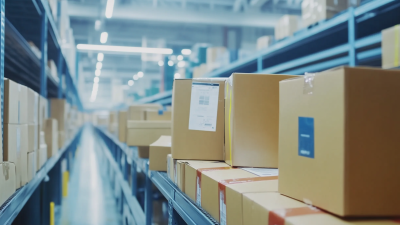
Corrugated boxes remain a major Chinese paper-packaging export for global buyers. They serve consumer goods, machinery parts, and household products. Their appeal is practical: low weight, stackable panels, and efficient material use. Experienced buyers inspect flute profiles, board moisture, compression strength, and print accuracy before discussing price. Small details matter. A box may look sturdy but collapse after a humid sea journey.
China’s manufacturing network supports standard formats, custom die-cuts, multi-color printing, and flexible order volumes. Suppliers can match box construction to product weight, pallet patterns, and container space. Double-wall board and internal dividers can protect fragile goods during handling. For retail delivery, clean graphics and accurate dimensions improve presentation. However, customization is not always better. Extra ink, complex inserts, or oversized cartons may increase costs and shipping emissions. Buyers should request samples and test stacking, vibration, and humidity performance. Test the real box.
Reliable sourcing requires clear specifications, documented inspections, and traceable batch records. A professional supplier should explain paper grades, edge crush results, production tolerances, and packing methods. Weak points should not be hidden. Experienced buyers should question quotations that change sharply after sampling. That warning deserves attention. A flat sample is not enough. One common mistake is approving a prototype without checking full-pallet compression. Corrugated packaging works best when design, storage, and handling are considered together.
Flexible Pouches: A $201.8 Billion Global Market in 2024 (Smithers)
Flexible pouches are among China’s most important packaging products for global buyers.
According to Smithers, the global flexible pouch market reached $201.8 billion in 2024. This figure reflects strong demand across food, beverages, personal care, household goods, and other everyday categories. Pouches save shelf space. They also reduce shipping volume compared with rigid containers.
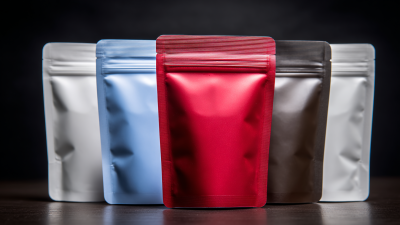
Chinese manufacturers commonly produce stand-up pouches, flat pouches, spouted pouches, and retort pouches. Buyers can request matte finishes, transparent windows, zipper closures, tear notches, or printed patterns.
A practical sourcing process should examine film structure, seal strength, puncture resistance, and filling performance. For example, a pouch holding powdered food may need strong moisture protection. A liquid pouch may require leak testing around the spout and bottom seal.
Details matter.
Ask for material specifications, food-contact documentation, test reports, and production samples before placing a large order. Confirm dimensions using the actual filling machine, not only a drawing. Small differences can cause sealing problems.
I have found that attractive printing cannot repair weak seals or poor storage stability. This is an area where buyers should remain cautious. Recycling claims also need careful review because multi-layer films can be difficult to process in some markets.
A reliable supplier should explain limitations clearly, provide traceable quality records, and support inspections during production. Not every low-cost option is efficient.
PET Bottles: Lightweight Rigid Packaging for Global FMCG Buyers
What Are China Top Packaging Products for Global Buyers?
PET Bottles: Lightweight Rigid Packaging for Global FMCG Buyers
PET bottles remain a practical packaging choice for beverages, personal care products, sauces, and household liquids. Their low weight can reduce freight costs and handling effort. Yet strength must not be judged by appearance alone. A thin bottle may look efficient, but it can deform during stacking or transport.
Experienced buyers usually check the bottle neck finish, wall thickness, volume accuracy, and closure fit. These details affect filling speed and leakage control. For carbonated drinks, pressure resistance requires careful design and testing. For sensitive liquids, buyers may need stronger oxygen or light protection. PET is clear and attractive, but clarity does not solve every product challenge. It can also expose contents to light.
Reliable suppliers should provide production samples, dimensional records, material information, and batch inspection reports. Useful tests include drop testing, top-load testing, leak testing, and visual inspection under controlled lighting. Samples should run on the buyer’s filling line when possible. A bottle that performs well in a showroom may fail on a fast production line.
Recycled PET content can support sustainability goals, but availability, color, and performance may vary by market. Buyers should confirm the intended percentage and food-contact suitability for each destination. Packaging requirements also differ across countries. Clear communication prevents expensive redesigns. We have seen projects delayed by a small neck-size mismatch. That mistake was avoidable.
Recyclable Cans: Aluminum Recycling Saves 95% Energy (IAI)
For global buyers, recyclable aluminum cans are among China’s most practical packaging products. The International Aluminium Institute reports that recycling aluminum can save up to 95% of the energy used in primary production. This figure matters during supplier evaluation, especially for companies tracking carbon emissions and material efficiency.
A reliable can manufacturer should provide clear alloy specifications, wall thickness, coating details, and recycled-content data. Buyers should also request production samples before placing large orders. Check the rim, lid fit, print quality, and surface finish under normal warehouse lighting. Small defects can become expensive when thousands of units reach filling lines.
However, the 95% figure needs careful interpretation. Actual savings depend on collection systems, sorting quality, transport distance, and furnace efficiency. A recyclable can is not automatically a sustainable package. Buyers should ask how scrap is sourced and whether the supplier can provide test reports or traceable documentation. Local recycling access also affects the final environmental benefit.
Aluminum cans offer strength, light weight, and strong recovery potential. They protect products from light and moisture while supporting efficient shipping. Still, thinner material is not always better. Excessive reduction may cause dents, leakage, or poor stacking performance. Good packaging decisions balance recycled content, product protection, manufacturing consistency, and realistic end-of-life conditions.