What Is the Best Type of Packaging Bag in China?

Choosing the best Packaging Bag in China depends on product weight, material behavior, transport distance, and customer expectations. A polished sample may look impressive, yet fail during stacking, moisture exposure, or repeated handling. In real purchasing work, bag selection should begin with evidence, not attractive printing.

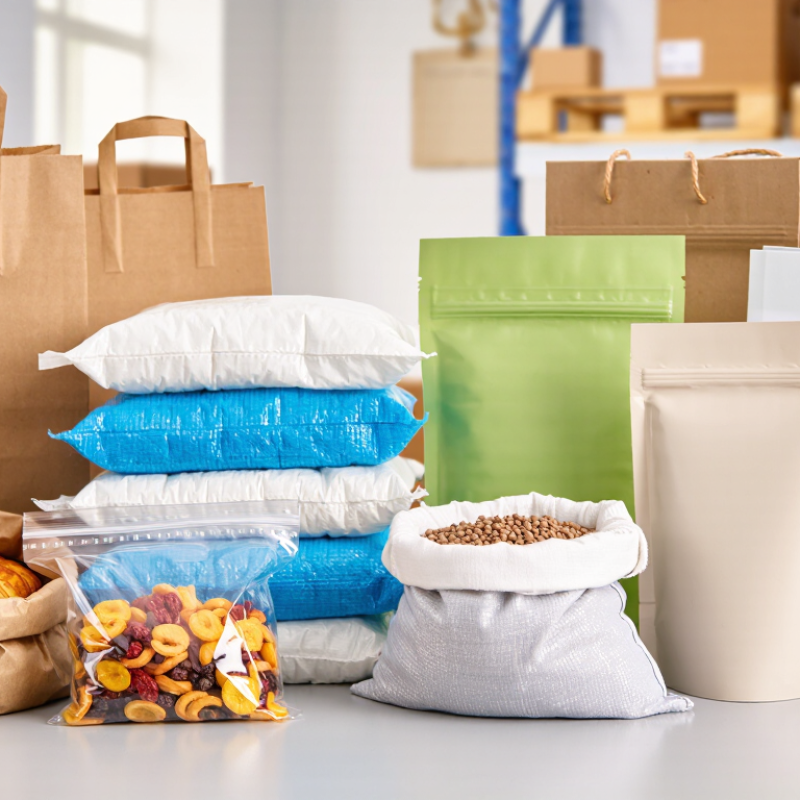
China offers many packaging options, including kraft paper bags, woven polypropylene bags, laminated bags, stand-up pouches, and recyclable mono-material designs. Each option solves a different problem. A bakery may need grease resistance and a clean opening. A fertilizer supplier may require strong seams and moisture protection. A clothing brand may value soft texture, neat handles, and reliable color reproduction.

Small details matter.

Experienced buyers usually request samples before placing large orders. They check seal strength, handle attachment, odor, dimensions, film thickness, and print consistency. One useful test is filling the bag with the intended product, then storing it under realistic conditions. This reveals weaknesses that factory photographs cannot show.

However, no single Packaging Bag is best for every business. A low-cost woven bag may protect heavy goods well, but it may not suit premium retail shelves. A laminated pouch can provide excellent barrier performance, although recycling decisions become more complicated. Supplier certifications, production records, material declarations, and inspection reports also deserve careful review.

The final choice should balance protection, cost, appearance, sustainability, and supply reliability. Some recommendations may change after testing. That is normal. A responsible buyer keeps comparing assumptions with physical results, because packaging performance is proven through use, not promises.
What Is the Best Type of Packaging Bag in China?

What Are the Main Types of Packaging Bags Made in China?

What Is the Best Type of Packaging Bag in China?

China’s packaging manufacturers produce several practical bag types for food, retail, agriculture, and household products. There is no universal best choice. The right bag depends on product weight, moisture, shelf life, transport, and budget.

Plastic film bags made from PE are flexible and useful for garments, produce, and light goods. PP bags offer clearer surfaces and better stiffness. Stand-up pouches save shelf space and can include zippers, spouts, or tear notches. Vacuum bags help remove air from suitable products, while laminated structures improve barrier protection against oxygen, light, and moisture. Woven polypropylene bags handle heavier materials such as grains, powders, and feed. Paper bags provide a natural appearance, but they need careful moisture protection. Compostable options exist too, although their performance and disposal conditions require honest checking.

Tips: Ask for the full material structure, thickness, sealing temperature, and tested load capacity. Request samples before placing a large order. Test them with your actual product, not water alone. A bag can look strong and still split at the corner. Printing quality also matters, especially around small text and curved seals. Specifications should be written clearly, including dimensions, tolerance, packing method, and inspection standards. The cheapest option may become expensive after leakage, rejected goods, or repeated adjustments. Even experienced buyers sometimes overlook humidity during shipping. That detail deserves another review.

Which Packaging Bag Materials Suit Different Products?

What Is the Best Type of Packaging Bag in China?

Choosing packaging materials should begin with the product, not appearance. UNEP’s Global Plastics Outlook reports that packaging uses about 40% of global plastic production. Material selection therefore affects protection, waste, and cost.

PE bags suit frozen food, detergents, and products exposed to moisture. They seal easily and remain flexible in cold storage. PP offers better heat resistance and clear presentation, making it practical for snacks and dried foods. PET adds stiffness and strong print quality. Nylon improves puncture resistance for vacuum-packed meat or sharp-edged products. For coffee, powdered foods, and oxygen-sensitive goods, aluminum foil laminates provide a stronger barrier. They cost more, though.

Paper bags fit dry, lightweight products such as flour, clothing, and takeaway items. They can feel more natural. However, moisture and grease reduce their performance, especially when plastic coatings are added. That coating may complicate recycling. Smithers’ 2024 flexible packaging outlook projects the global market to exceed US$300 billion by 2028, reflecting continued demand for lightweight pouches and films. Yet lighter is not automatically better. A thin bag that tears can create more waste through rejected products and repacking. Mono-material PE or PP structures may support easier recycling, but local collection systems in China still vary between cities. Small-scale testing remains essential: check seal strength, drop resistance, oxygen transmission, and storage temperature before mass production.

How Do Function, Durability, and Sustainability Compare?

The best packaging bag in China depends on the product, transport route, and disposal conditions. For many dry goods, woven polypropylene bags offer strong load support and resistance to tearing. Their tightly woven surface handles warehouse stacking and long-distance shipping well. Laminated versions also block dust and limited moisture. However, they may complicate recycling when different materials are bonded together.

Kraft paper bags suit powders, grains, and other products needing a more natural appearance. They can be printed clearly and often feel easier to recycle. Yet paper weakens when exposed to rain, humidity, or rough handling. In southern China’s damp logistics environment, an uncoated paper bag may fail before delivery. Plastic liners improve protection, but they reduce the simplicity of recycling. Small details matter, such as stitched seams, valve strength, and handle testing.

Sustainability is not only about choosing paper or plastic. A durable bag may prevent product loss and reduce replacement packaging. Reusable woven bags can perform well when collection systems exist. Without recovery, their environmental advantage becomes less certain. The honest answer is less tidy. A bag can be recyclable in theory, but local sorting capacity may decide its real outcome. Buyers should request material specifications, recycled-content records, drop-test results, and moisture testing. Field trials with actual filling equipment are also valuable. Laboratory data alone can miss practical problems, including dusty seams, unstable stacking, or difficult opening.

What Is the Best Packaging Bag for Each Application?

What Is the Best Packaging Bag for Each Application?

The best packaging bag depends on the product, filling method, storage time, and shipping route. For rice, flour, and pet food, woven polypropylene bags offer strong seams and good load resistance. An inner liner helps control moisture and dust. For frozen food, use multilayer plastic bags with reliable heat seals. They should remain flexible below freezing. Keep it dry.

Stand-up pouches suit snacks, coffee, sauces, and powdered products. Their flat base saves shelf space, while zipper closures support repeated use. For liquids, thicker film and reinforced seals reduce leakage during transport.

Vacuum bags work well for meat, cheese, and other oxygen-sensitive foods. However, they need careful puncture testing. A sharp bone can defeat an excellent seal.

For cosmetics, detergents, and household refills, spouted pouches reduce material use and pouring mess. Kraft paper bags can present a natural appearance, but paper alone may fail against oil or humidity. A barrier layer is often necessary.

In Chinese packaging production, I would check film structure, seal strength, odor, printing accuracy, and batch consistency before approval. Samples can look perfect, yet production results may vary.

I have seen attractive bags wrinkle during filling because the material was too soft. Testing with the actual product is more dependable than choosing by appearance.

A practical specification should include bag size, weight, barrier needs, closure type, and expected distribution conditions.

How Can You Choose a Reliable Packaging Bag Supplier in China?

Choosing the best packaging bag in China starts with choosing the right supplier. Bag material matters, but supplier reliability matters more. A low price means little if the bags arrive late or fail during transport.

A practical evaluation should begin with factory evidence. Ask for a business license, production photos, material specifications, and recent quality records. A video call can reveal storage conditions, printing equipment, and packing methods. Do not rely on polished catalog images alone. They can hide weak details. Request samples made with the same fabric, thickness, size, and closure style as your order. Test them with actual products, stacking pressure, moisture, and repeated handling.

Check how the supplier controls quality. Reliable factories should explain incoming material checks, in-process inspections, final sampling, and defect handling. Ask whether they can provide batch numbers and inspection reports. For food, cosmetic, or other regulated products, request suitable compliance documents for your target market. Verify them carefully. A certificate with no clear issuing body deserves questions.

Communication also reveals professionalism. The supplier should answer specifications directly and identify possible risks before production. Confirm minimum order quantity, lead time, payment terms, replacement policy, and carton details in writing. I would not choose the cheapest quotation automatically. One overlooked tolerance can create thousands of unusable bags. Even experienced buyers miss details, especially during urgent orders. A small trial order and independent inspection can expose problems before they become expensive.