Best Form Fill Seal Packaging Solutions for Your Business Needs?
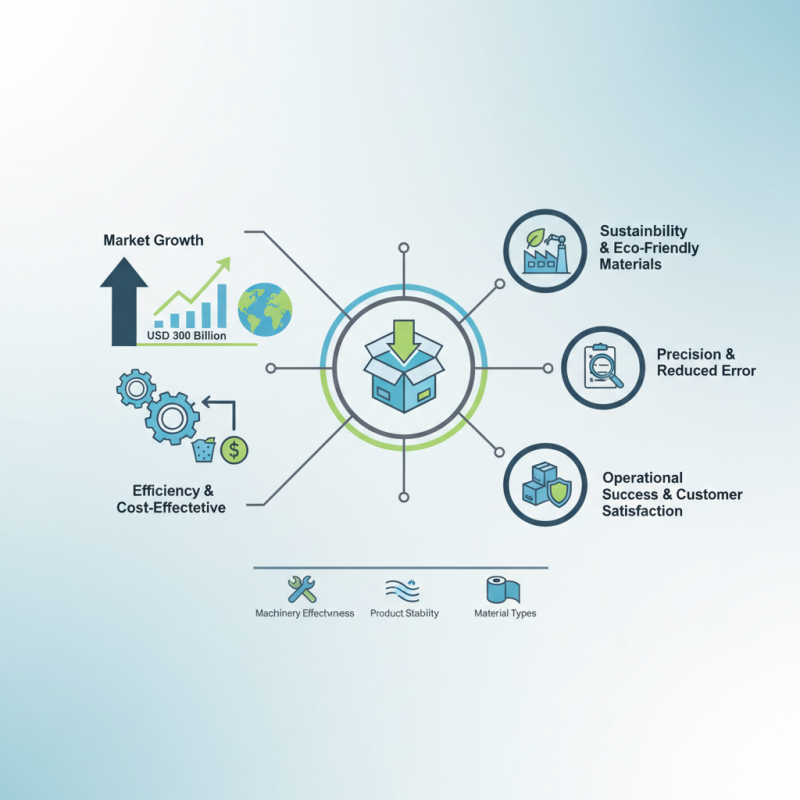
In today's competitive market, Form Fill Seal Packaging has emerged as a key solution for various industries. According to recent reports, the global flexible packaging market is projected to reach USD 300 billion by 2025. This significant growth underscores the demand for efficient, cost-effective packaging solutions. Companies are increasingly adopting Form Fill Seal technology to enhance productivity and reduce waste.
The precision of Form Fill Seal systems minimizes human error while maximizing output. However, selecting the best packaging solution can be challenging. Many businesses struggle with balancing material costs and packaging efficiency. Research indicates that manufacturers strive for sustainability. This includes using eco-friendly materials without compromising quality. Yet, many still face hurdles in meeting these goals.
As you explore Form Fill Seal Packaging options, consider factors like machinery effectiveness, product stability, and material types. Choosing the right system can significantly impact your bottom line. While there are many available options, understanding industry standards is critical. A well-informed decision can enhance your operational success and boost customer satisfaction.
Understanding Form Fill Seal Packaging: An Overview
Form fill seal packaging is an effective solution for many businesses. It streamlines the packaging process, allowing for faster production and reduced labor costs. This method involves three essential steps: forming the package, filling it with the product, and sealing it. Each stage needs careful consideration to ensure quality and efficiency.
**Tips:** Choose the right materials for your packages. This decision impacts durability and shelf life. Remember that not all materials will suit every product. It might take some trial and error to find the best fit. Also, invest in reliable sealing technology. A weak seal can lead to leaks, spoilage, and dissatisfied customers.
When selecting equipment, pay attention to the machine's capabilities. Some machines are versatile, while others serve specific products best. It's essential to align your needs with the equipment's functions. Sometimes, a costly machine may not be the best choice. Consider maintenance and support too. Misaligned expectations may lead to frustration and wasted resources. Prioritize reliability and customer service.
Exploring form fill seal packaging can lead to significant improvements in your business operations. Evaluate your current processes honestly. Identifying inefficiencies could open doors to better solutions. The right approach will enhance productivity and product quality in the long run.
Form Fill Seal Packaging Solutions: Efficiency Comparison
This bar chart compares various packaging solutions based on their speed of operation, material cost, maintenance costs, and energy consumption. Analyzing this data can aid businesses in selecting the best form fill seal packaging solution to meet their needs.
Benefits of Using Form Fill Seal Packaging for Businesses
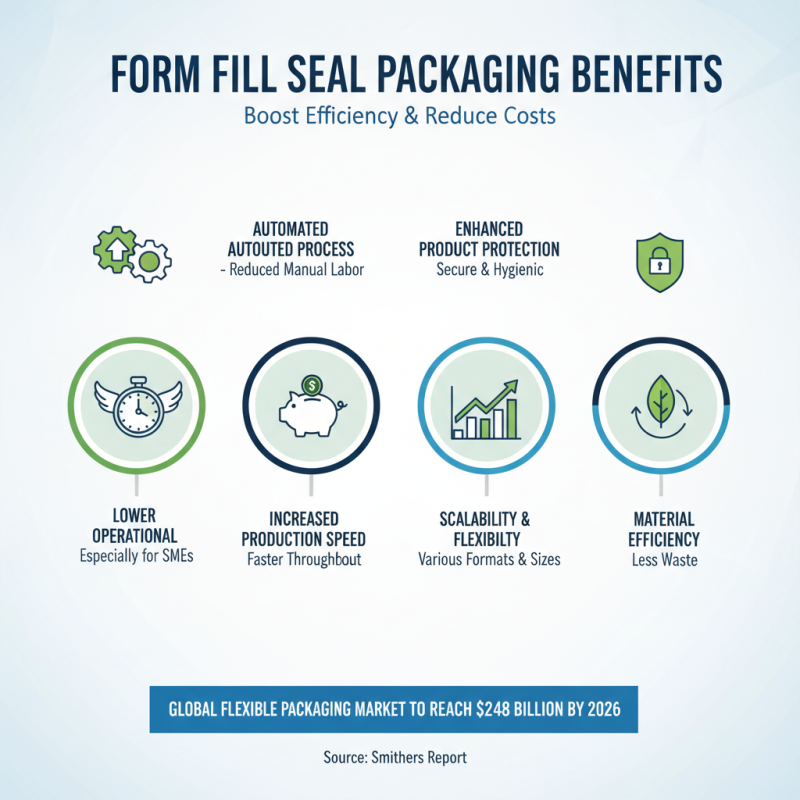
Form fill seal (FFS) packaging offers significant benefits for businesses looking to enhance efficiency and reduce costs. According to a recent report by Smithers, the global flexible packaging market is projected to reach $248 billion by 2026, demonstrating a strong demand for efficient packaging solutions. FFS technology automates the packaging process, reducing manual labor. This can lead to lower operational costs, which is especially vital for small to medium enterprises.
Additionally, FFS packaging can improve shelf life and product safety. The films used in FFS systems provide excellent barrier protection against moisture and contaminants. A case study from the Packaging Machinery Manufacturers Institute details how companies have seen up to a 20% increase in product freshness due to better sealing properties. However, not all FFS systems are created equal, and businesses may face challenges in adapting their production lines to new technologies. Finding the right fit requires careful evaluation of equipment and material compatibility.
As with any packaging solution, the environmental impact should also be considered. While many FFS materials are recyclable, the transition to sustainable options can be complex. Studies have found that consumers increasingly prefer brands that prioritize sustainability, which adds another layer to consider for businesses looking to innovate without compromising on environmental responsibility.
Key Types of Form Fill Seal Machines and Their Applications
In today’s competitive landscape, selecting the right form fill seal (FFS) machine is crucial for businesses. Various types of FFS machines cater to different packaging needs, each with unique applications. For instance, vertical form fill seal (VFFS) machines are commonly used for packaging snack foods, grains, and powders. These machines efficiently create bags from flat films, filling and sealing them in a single seamless process.
Horizontal form fill seal (HFFS) machines, on the other hand, are ideal for packaging products like ready-to-eat meals and medical supplies. They handle products in an upright position, offering better control over delicate items. This ensures integrity and reduces the risk of product damage. Additionally, rotary form fill seal systems provide high-speed options for liquid packaging, benefiting industries that require quick turnaround times.
Despite their benefits, some businesses struggle with the initial setup and maintenance of these machines. Understanding the required technical specifications is essential. Operating and troubleshooting these systems can be challenging. Frequent training is necessary to ensure staff are well-versed in their usage. By focusing on the specific applications and understanding potential challenges, businesses can make informed decisions about which machine best fits their needs.
Best Form Fill Seal Packaging Solutions for Your Business Needs
| Machine Type |
Application |
Speed (Packages per Minute) |
Material Compatibility |
| Vertical Form Fill Seal |
Granules and Powders |
40 - 120 |
Plastic, Foil, Paper |
| Horizontal Form Fill Seal |
Liquids and Semi-Solids |
30 - 80 |
Plastic, Composite Materials |
| Pillow Pack |
Snacks and Confectionery |
50 - 150 |
Film, Foil |
| Stand-Up Pouch |
Food Products, Drinks |
25 - 70 |
Plastic, Zip Bags |
| Pre-Made Pouch |
Ready-to-Eat Meals |
15 - 50 |
Various Flexible Materials |
Factors to Consider When Choosing a Form Fill Seal Packaging Solution
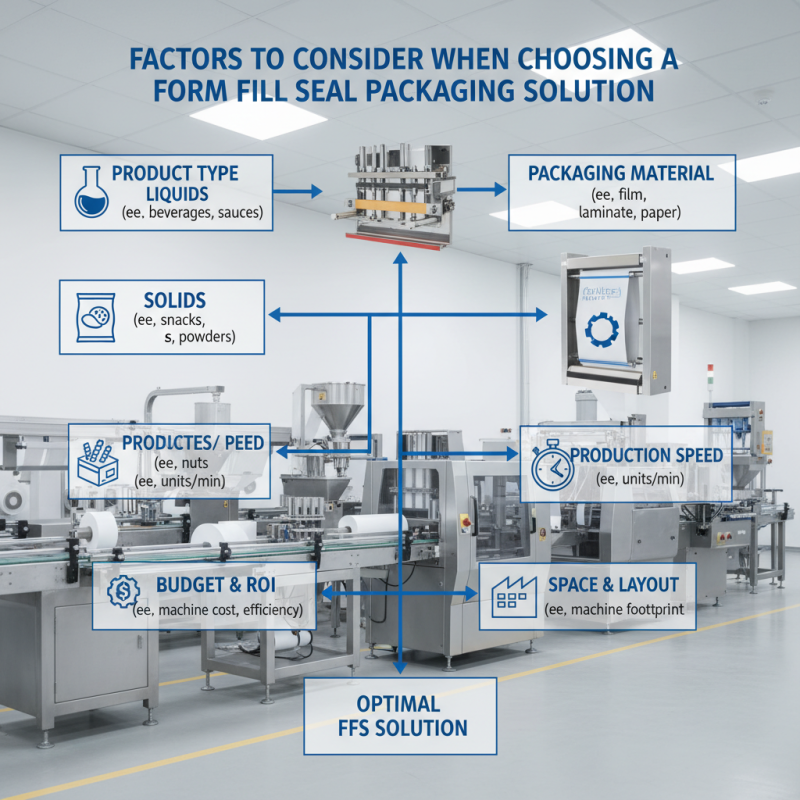
When choosing a form fill seal packaging solution, several critical factors come into play. First, consider the type of product you need to package. Different materials and shapes require specific machine designs. For example, liquid products have unique sealing needs. A robust packaging solution must address these requirements effectively.
Next, assess the production speed. The right equipment should align with your production goals. If your business requires high output, investing in faster machines is crucial. However, these machines may come with higher maintenance demands. Balancing speed with reliability is essential for consistent performance.
Don’t overlook the importance of automation. An automated system can enhance efficiency, but it usually requires a greater investment. Evaluate your budget carefully. You may find that simpler systems meet your needs well. Always weigh the benefits against potential drawbacks. Adopting a thoughtful approach ensures you select a packaging solution that truly fits your operational needs.
Evaluating Cost Efficiency of Form Fill Seal Packaging Systems
The cost efficiency of form fill seal (FFS) packaging systems has become crucial for many businesses. Studies indicate that FFS technologies can reduce packaging costs by up to 25% compared to traditional methods. This efficiency stems from less material waste and reduced labor costs. In a 2022 market analysis, companies reported a 30% increase in production speed with modern FFS systems. This means faster turnaround times and improved profit margins.
However, investing in these systems requires careful consideration. Initial costs can be high, and maintenance needs can strain budgets. Some firms may underestimate the total cost of ownership, leading to unexpected expenses. According to industry reports, around 18% of businesses faced budget overruns when integrating new FFS systems. Failure to account for compatibility with existing production lines can further complicate implementations.
Despite these challenges, the long-term benefits often outweigh the initial hurdles. More efficient operations can lead to sustained cost savings. Companies that prioritize FFS packaging may find themselves in a better position to adapt to market demands. The evolving landscape of packaging requires continual reassessment of strategies to ensure lasting success.